



Impact & Provenance

Low GI Energy for Endurance Sports and Sustained Energy
Low-GI foods can be a useful choice before endurance exercise, but they aren’t automatically the best fuel throughout an event. For low GI energy for endurance sports, choose foods with a GI under ...

Recovery nutrition for endurance athletes: protein, fluids and race planning
Race-day recovery is shaped before the start line. Recovery nutrition for endurance athletes centres on replacing carbohydrate and fluid losses while supplying protein to support repair; after exer...
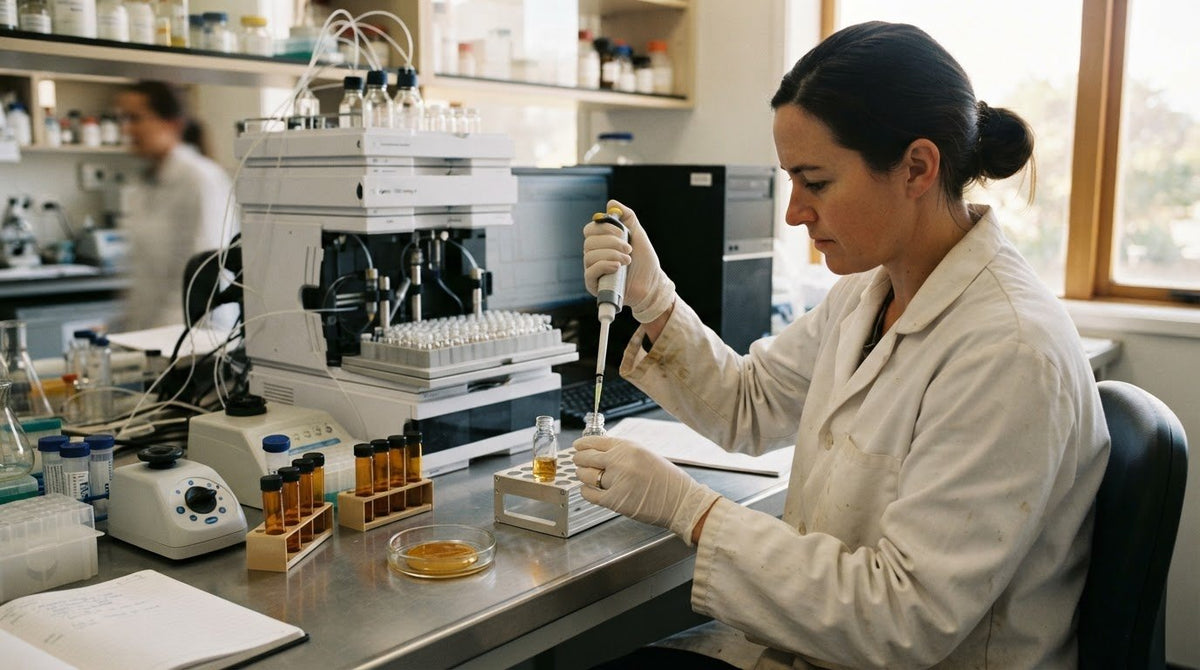
Standardised Bioactive Honey Ingredients: What Bioactivity Means
Bioactive honey and active honey aren’t interchangeable terms. Active honey is certified to have antimicrobial and antifungal properties, while bioactivity can describe a broader range of measurabl...

What pro endurance athletes eat during races to fuel well
Carbohydrate is the foundation of race fuelling, but caffeine is a separate part of the plan, not a substitute for it. During a race, endurance athletes are advised to consume 30 to 60 grams of car...

4 Endurance Nutrition Mistakes That Can Disrupt Your Fueling
Four common endurance nutrition mistakes are mismatching energy intake to training load, poorly timing meals around workouts, unbalancing carbohydrates, protein and fat, and overlooking how glucose...

Functional Ingredient Supply for NZ and ANZ Formulators
A clean label does not automatically make an ingredient the right formulation fit. For New Zealand and Australian formulators, choosing a functional ingredient supplier in NZ means matching an ingr...

Carbs Per Hour for Marathon Runners: How Gels Fit In
A marathon gel plan is a carbohydrate calculation, not a fixed gel count. The practical answer to how many carbs per hour for marathon runners is 30-60 g per hour during the first three hours, incr...

Building a Bulletproof Race Nutrition Strategy for Fueling and Recovery
For training lasting one to two hours, target 30-60 grams of carbohydrate per hour; for sessions longer than two hours, aim for 60-90 grams, with intake up to 120 grams per hour if tolerated. A pra...

Honey vs maltodextrin for running: which fuel suits you
Neither honey nor maltodextrin is universally better for running. Both provide carbohydrate fuel, but their compositions differ: honey contains glucose and fructose, while maltodextrin is made from...