


The prevailing reliance on synthetic maltodextrin in sports nutrition ignores a fundamental biological reality: the human digestive system wasn't designed to process isolated, high-load polymers without systemic friction. While athletes frequently tolerate the gastrointestinal distress and glycemic volatility of commercial products, the benefits of honey in energy gels offer a clinically superior alternative rooted in phytochemical complexity. You've likely experienced the frustration of a mid-marathon energy crash or the debilitating onset of "runner’s gut" despite following a strict fueling protocol. It's a common struggle that suggests our current standards for endurance nutrition are insufficient for sustained, high-intensity output.
This analysis details the clinical and phytochemical reasons why honey-based matrices outperform synthetic equivalents by leveraging a naturally optimised glucose-fructose ratio and bioavailable polyphenols. We'll examine the PolySure™ analytical standard for quantifying these compounds and how they contribute to improved gut resilience during prolonged exertion. By moving beyond simple sugar spikes toward a research-driven, clean-label framework, you can achieve a more stable metabolic state and enhance your performance without compromising physiological integrity.
Key Takeaways
- Contrast the clinical evolution of honey-based matrices with synthetic maltodextrin to understand the transition toward bioavailable, whole-food nutrition in high-performance contexts.
- Analyse how the natural 1:1 glucose-fructose ratio in honey optimises carbohydrate oxidation pathways, which is central to the benefits of honey in energy gels for endurance athletes.
- Explore the significance of quantified polyphenols measured by the PolySure™ standard in facilitating systemic resilience and managing the oxidative demands of strenuous exercise.
- Identify the biochemical factors, including osmolality and gastric emptying efficiency, that enable honey-based gels to mitigate gastrointestinal distress during prolonged competition.
- Formulate a strategic nutrition protocol for national-level events by integrating honey-based gels into both pre-loading and intra-workout fueling phases.
The Evolution of Endurance Fuel: Why Athletes are Shifting to Honey-Based Matrices
The paradigm of endurance nutrition is undergoing a significant transition, moving away from rudimentary caloric delivery toward the integration of functional, bioavailable matrices. For decades, the industry relied on synthetic polysaccharides to meet the metabolic demands of ultra-endurance events, yet this approach often prioritised raw energy volume over systemic harmony. We're now seeing a shift toward honey-based matrices as athletes recognise the benefits of honey in energy gels for sustained output. It's no longer just about carbohydrate quantity; it's about the phytochemical composition and the biological context in which those nutrients are delivered to the cells.
The Limitations of Synthetic Carbohydrate Formulations
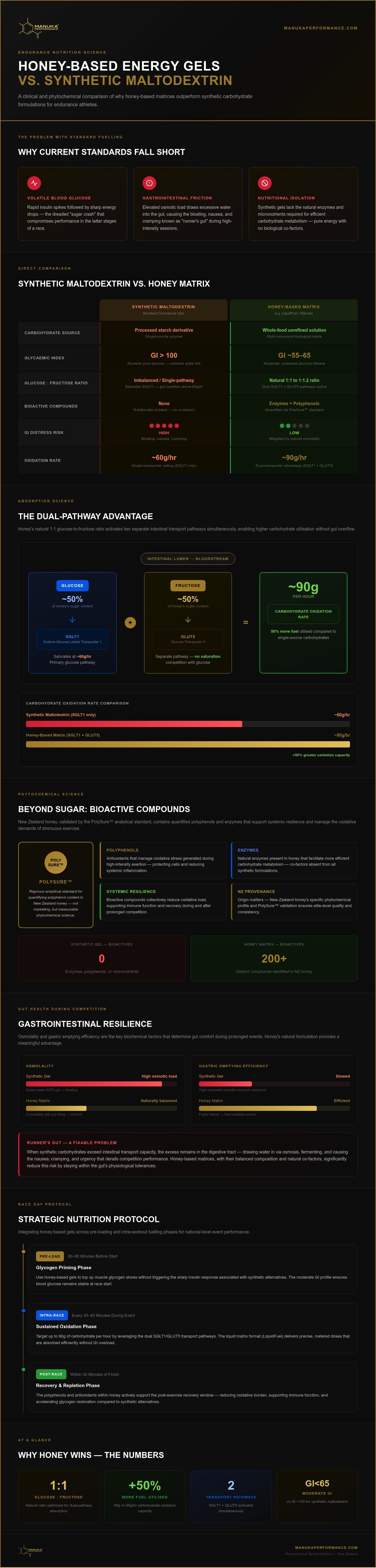
Standard energy gels typically utilise maltodextrin, a highly processed starch derivative with a glycaemic index that often exceeds that of glucose. While this provides rapid energy, it frequently triggers a substantial insulin response, potentially leading to reactive hypoglycaemia or the "sugar crash" that compromises performance during the latter stages of a race. These synthetic formulations also create significant osmotic pressure within the gastrointestinal tract. Because they lack the natural co-factors found in whole foods, they can draw excessive water into the gut, resulting in the bloating and distress common during high-intensity sessions. The primary deficiencies of synthetic gels include:
- Volatile Blood Glucose: Rapid insulin spikes followed by sharp energy drops.
- Gastrointestinal Friction: Elevated osmotic load leading to nausea or cramping.
- Nutritional Isolation: Absence of the enzymes and micronutrients required for efficient carbohydrate metabolism.
Honey as a Sophisticated Biological Matrix
In contrast, honey functions as a complex, unrefined solution that integrates glucose and fructose with a suite of bioactive compounds. The benefits of honey in energy gels extend beyond mere fuel; it's a sophisticated matrix where carbohydrates are naturally paired with enzymes and antioxidants. This biochemical arrangement facilitates more efficient absorption and utilisation through multiple transport pathways. The provenance of the honey is a critical determinant of its efficacy. New Zealand honey, validated by the PolySure™ analytical standard, contains specific levels of polyphenols that support systemic resilience. This isn't just "natural" marketing; it's a matter of rigorous phytochemical innovation. By using a liquid matrix like LiquidFuel, athletes access a precise delivery system where the honey’s biological properties are preserved and quantified for elite-level performance.
The Dual-Pathway Advantage: Decoding the Glucose-Fructose Ratio in Honey
The efficacy of an endurance fuel depends on the body's capacity to transport carbohydrates from the intestinal lumen into the bloodstream. Honey provides a natural solution through its inherent 1:1 to 1:1.2 ratio of glucose to fructose. This specific balance is a cornerstone of the benefits of honey in energy gels, as it aligns with the physiological constraints of human nutrient absorption. Unlike synthetic products that often rely on a single carbohydrate source, the biochemical architecture of honey allows for a sophisticated interplay between sugars that facilitates a higher rate of exogenous carbohydrate oxidation. This means the body can utilise more of the ingested fuel, reducing the risk of caloric deficits during ultra-endurance events.
SGLT1 and GLUT5: The Mechanics of Absorption
Glucose relies on the Sodium-Glucose Linked Transporter 1 (SGLT1), while fructose utilises the Glucose Transporter 5 (GLUT5). Intestinal absorption becomes limited when a single transporter pathway reaches its saturation point; for glucose, this typically occurs at approximately 60 grams per hour. When an athlete exceeds this threshold using single-source carbohydrates, the excess remains in the digestive tract, drawing in water and causing significant gastrointestinal distress. Honey’s fructose content engages the GLUT5 pathway, effectively opening a second lane for energy delivery and bypassing the SGLT1 bottleneck. The optimal carbohydrate oxidation rate is approximately 90 grams per hour when using dual-pathway fuels. By utilising both pathways simultaneously, athletes can increase their total energy uptake without the "sloshing" sensation or cramping associated with pathway saturation.
Sustained Glycaemic Control vs. Energy Spikes
The metabolic processing of honey offers a distinct advantage over the "spike and trough" profile of pure glucose or maltodextrin. While glucose enters the bloodstream rapidly, the fructose component in honey requires initial processing by the liver. This secondary metabolic step results in a more gradual release of energy, providing a stable foundation for prolonged exertion. This stability is vital for maintaining cognitive clarity and precise pacing during the final stages of a race when mental fatigue often leads to technical errors. The benefits of honey in energy gels are evident in this sustained glycaemic profile, which prevents the systemic volatility and reactive hypoglycaemia common with synthetic alternatives. For those seeking to implement this scientific approach, LiquidFuel provides a research-led matrix that leverages these natural ratios for elite performance. By maintaining consistent blood glucose levels, athletes preserve muscle glycogen stores and ensure that cognitive function remains sharp during the most demanding segments of competition.
Beyond Simple Sugars: The Role of Quantified Polyphenols and Bioactive Compounds
While the carbohydrate profile of honey provides the primary fuel source for ATP resynthesis, the true biological distinction of a honey-based matrix lies in its secondary metabolites. High-quality honey contains a diverse array of polyphenols, which are phytochemical compounds that function as sophisticated performance drivers. These bioactives are often overlooked in standard sports nutrition, yet they play a critical role in managing the physiological demands of high-intensity training. The benefits of honey in energy gels are significantly amplified by these compounds, as they support systemic resilience during the acute oxidative stress that occurs during a marathon or triathlon. Relying on "raw honey" is an insufficient strategy for the elite athlete; instead, the focus must shift toward quantified bioactives that ensure a consistent, research-driven outcome.
Strenuous physical activity inevitably generates reactive oxygen species, which can lead to cellular fatigue and prolonged recovery times if not managed effectively. The phytochemicals found in specific honey varieties act as natural modulators, helping the body maintain homeostasis under extreme metabolic load. By integrating these compounds into a fueling protocol, athletes can support their internal systems against the rigours of a heavy training block. This approach moves beyond simple caloric replacement and enters the field of functional biotechnology, where every component of the gel serves a specific, validated purpose in the pursuit of professional excellence.
The PolySure™ Standard: Validating Phytochemical Composition
To achieve the precision required for elite sports nutrition, the inherent variability of natural products must be controlled through rigorous analytical standards. Mānuka Performance utilises the PolySure™ standard to quantify seven naturally occurring polyphenols within their honey-based matrix, ensuring that every batch meets a clinical-grade threshold for bioactive content. This level of quantification separates professional formulations from standard retail honey, which often lacks the transparency needed for a high-stakes competition strategy. By measuring specific markers, researchers can guarantee that the performance-enhancing properties of the honey are present in every sachet. This analytical rigor provides athletes with the confidence that their nutrition is backed by data science rather than anecdotal claims.
Bioavailability and Functional Efficacy
The complex structure of the honey matrix serves a secondary purpose by protecting these delicate polyphenols during the digestive process. This natural encapsulation ensures that the bioactives remain intact as they pass through the stomach, allowing for superior bioavailability once they reach the small intestine. There is a clear synergy between the dual-pathway carbohydrates discussed previously and these phytochemical drivers, as they work in tandem to optimise metabolic efficiency. For a deeper understanding of these mechanisms, a performance analysis of NZ innovation reveals how the unique provenance of New Zealand honey dictates its functional properties. This integration of nature and biotechnology allows for a clean-label product that does not compromise on the measurable efficacy required for national-level competition.
Gastrointestinal Resilience: Mitigating Runners Stomach with Natural Formulations
Endurance athletes often express concern regarding the fructose content of honey, fearing it might exacerbate bloating or osmotic imbalance during high-intensity sessions. This apprehension usually overlooks the biological synergy of the honey matrix, which includes endogenous enzymes such as amylase and diastase. These enzymes initiate the breakdown of complex polysaccharides even before they reach the lower digestive tract, effectively pre-digesting the fuel to reduce the metabolic load on the gut. The benefits of honey in energy gels are therefore not just limited to energy delivery; they extend to the preservation of gastrointestinal integrity under the stress of competition. By leveraging these natural co-factors, you can mitigate the "gut rot" frequently associated with synthetic formulations that lack enzymatic support.
Osmolality and Gastric Emptying
Osmolality refers to the concentration of solute particles in a solution, a factor that directly dictates the rate of gastric emptying. When a fueling product is excessively hypertonic, it can draw water into the intestinal lumen, leading to the debilitating symptoms of "runner's stomach" or nausea. Honey-based formulations typically maintain a more favourable osmotic profile than synthetic maltodextrin gels, allowing for a more rapid transition from the stomach into the bloodstream. While athletes should still engage in gut training to organise their digestive system for competition, starting with a natural, bioavailable matrix significantly lowers the baseline for irritation. This efficient transit ensures that carbohydrates are available for oxidation without lingering in the stomach and causing distress.
The Absence of Synthetic Additives
Standard commercial gels frequently incorporate synthetic thickeners, such as xanthan gum, alongside artificial colourings and preservatives to maintain shelf stability. These additives are known irritants that can compromise the mucosal lining of the gut during prolonged exertion when blood flow is diverted away from the digestive system. The benefits of honey in energy gels are particularly evident when examining the absence of these synthetic irritants that often plague traditional sports nutrition. Adopting a clean-label, liquid-fuel approach eliminates these unnecessary variables, providing a streamlined nutrition strategy for those with sensitive digestive systems. The liquid consistency is specifically designed for ease of ingestion during maximal effort, ensuring that fuel delivery doesn't come at the cost of respiratory rhythm or gastric comfort. To secure your performance during your next event, explore the LiquidFuel range for a clinically validated, clean-label solution.
Strategic Implementation: Optimising Your Endurance Nutrition Programme with Honey Gels
Implementing a sophisticated nutrition strategy for national-level competition requires more than just high-quality ingredients; it demands a structured protocol that aligns with your specific metabolic rate and the intensity of the event. To fully realise the benefits of honey in energy gels, you must transition from ad-hoc consumption toward a methodical delivery system that prevents glycogen depletion before it occurs. The New Zealand honey matrix found in LiquidFuel remains stable across a wide range of temperatures and intensities, making it a versatile foundation for New Zealand athletes competing in the variable climates of the Southern Alps or the coastal humidity of the North Island. Whether you're managing the physiological load of a summer triathlon or a high-altitude trail run, the phytochemical integrity of the matrix remains consistent and reliable under extreme metabolic stress.
A Step-by-Step Fueling Protocol
A successful endurance strategy relies on the "15-minute rule", which involves micro-dosing small amounts of fuel at regular intervals rather than consuming large volumes once per hour. This approach maintains a more stable glycaemic state and prevents the gastrointestinal spikes associated with bulk ingestion. Your total hourly carbohydrate requirement should be calculated based on your body mass and the projected intensity of the session; typically, this ranges from 60 to 90 grams per hour for elite-level output. Integration should begin with a "pre-loading" phase, consuming one sachet approximately 15 minutes before the start to saturate the transporters. When utilising honey-based matrices, it's essential to maintain a precise hydration schedule. Aim for 500 to 750ml of fluid per hour to support the osmotic transition of the gel from the stomach to the small intestine, ensuring that the dual-pathway absorption mechanisms function at peak efficiency.
LiquidFuel: The Analytical Solution for New Zealand Athletes
The LiquidFuel 10-Pack provides a convenient format for both rigorous training cycles and high-stakes race days, allowing for easy integration into a professional competition programme. Every sachet is backed by the PolySure™ analytical standard, providing the rigorous quantification of polyphenols that competitive athletes require for peace of mind during drug-tested events. This level of validation ensures that you aren't just consuming a natural sweetener, but a research-driven performance solution with a clear provenance. The benefits of honey in energy gels are most pronounced when the product is free from synthetic thickeners that can cause systemic friction. By choosing a matrix that has been biologically validated, you eliminate the uncertainty inherent in generic sports nutrition products. We encourage athletes to optimise their endurance performance naturally by switching to a matrix that respects both physiological constraints and the need for sustained power. This transition represents a shift toward a more intelligent, clinical approach to athletic fueling within the New Zealand sporting landscape.
Advancing Beyond Synthetic Nutrition Standards
Transitioning to a honey-based nutrition framework represents a calculated shift toward systemic efficiency and metabolic stability. By leveraging the natural glucose-fructose ratio, athletes can bypass the absorption bottlenecks that frequently lead to gastrointestinal distress in high-intensity sessions. The benefits of honey in energy gels are further enhanced by the presence of PolySure™ validated polyphenols, which provide a level of phytochemical innovation that synthetic maltodextrin simply cannot replicate. This clean-label approach ensures that your fuelling protocol supports both immediate performance and long-term systemic resilience.
You don't have to settle for the limitations of traditional sports nutrition when a research-driven, bioavailable alternative is accessible. It's time to refine your approach with a matrix that respects the complex biological demands of the endurance athlete. Upgrade your fuelling strategy with LiquidFuel 10-Pack Running Gels and experience the clinical evolution of sports nutrition. Your pursuit of professional excellence deserves a matrix validated by data and nature alike. We're confident that this transition will redefine your capacity for sustained output.
Frequently Asked Questions
Is honey better than maltodextrin for long-distance running?
Honey offers a distinct physiological advantage over maltodextrin by utilising both SGLT1 and GLUT5 intestinal transporters. While maltodextrin relies solely on glucose pathways, the benefits of honey in energy gels stem from its natural glucose-fructose ratio, which allows for higher carbohydrate oxidation rates. This dual-pathway approach prevents the saturation of a single transporter, reducing the risk of gastrointestinal backup and providing a more efficient fuel source during prolonged endurance events.
Can honey-based energy gels cause an insulin spike and crash?
Honey-based matrices provide a more stable glycaemic response compared to pure glucose or maltodextrin formulations. The fructose component requires initial metabolic processing by the liver, which results in a gradual release of energy into the bloodstream. This prevents the sharp insulin spike and subsequent reactive hypoglycaemia often termed a "crash". By maintaining consistent blood glucose levels, athletes preserve cognitive function and avoid the energy fluctuations that compromise pacing during the final stages of competition.
How many grams of carbohydrates are in a typical honey energy gel?
A standard honey-based energy gel typically contains between 22 and 26 grams of carbohydrates per serving. This dosage is designed to align with the body’s hourly absorption capacity when consumed as part of a structured 15-minute micro-dosing protocol. Because honey is a dense, natural solution, it provides these calories in a smaller volume than many synthetic alternatives. This efficiency allows athletes to meet their metabolic requirements without the significant gastric volume often required by dilute maltodextrin solutions.
Does the fructose in honey cause stomach cramps during marathons?
Fructose only causes distress when it's consumed in isolation or in ratios that exceed the body's transport capacity. In a honey matrix, the fructose is naturally balanced with glucose, ensuring that both the GLUT5 and SGLT1 pathways are utilised effectively. This synergy facilitates rapid gastric emptying and reduces the osmotic pressure that leads to cramping. The benefits of honey in energy gels include this inherent balance, which promotes gastrointestinal resilience even during maximal aerobic effort.
What is the PolySure™ standard in Mānuka Performance products?
The PolySure™ standard is a rigorous analytical protocol used to quantify seven naturally occurring polyphenols within the honey matrix. Unlike generic sports nutrition, this standard ensures that every batch of LiquidFuel contains a precise, clinical-grade level of bioactive compounds. These phytochemicals are essential for managing oxidative stress and supporting systemic resilience during heavy training blocks. This validation provides elite athletes with the data-driven certainty that their nutrition meets high-level research and biotech specifications.
Can I use raw honey instead of a dedicated sports energy gel?
While raw honey contains beneficial compounds, it lacks the consistency and quantified bioactive levels required for elite competition. Raw honey's water content and carbohydrate ratios can vary significantly based on floral source and season, making it difficult to calculate precise fueling requirements. Dedicated honey-based gels are formulated for optimal osmolality and liquid consistency. This ensures predictable gastric emptying rates and systemic delivery that raw, unrefined table honey cannot guarantee during high-intensity sessions.
How should I time my honey gel intake during a triathlon?
Optimal timing involves a "pre-loading" phase approximately 15 minutes before the swim start, followed by consistent micro-dosing throughout the bike and run legs. Adopting a 15-minute interval for consumption helps maintain a steady-state metabolic environment and prevents the glycogen troughs that lead to "bonking". Each intake should be paired with approximately 150ml of water to facilitate the osmotic transition. This structured approach ensures that the dual-pathway carbohydrates are continuously available for oxidation without overwhelming the digestive system.
Are there any electrolytes in honey-based energy gels?
Honey naturally contains trace minerals such as potassium, calcium, and magnesium, which contribute to the overall electrolyte balance of the gel. Performance-led formulations typically augment these with additional sodium to meet the specific requirements of endurance athletes losing salt through perspiration. This combination supports fluid retention and nerve function during prolonged exertion. By integrating these minerals within a bioactive honey matrix, the body benefits from a more holistic and bioavailable approach to mineral replacement than synthetic electrolyte powders provide.